Wheel Out guide · 18+

Wheel Out strategies

Practical strategy means pacing and risk control, not a promise to beat the game.

Updated 2026-08-01Primary-source checked
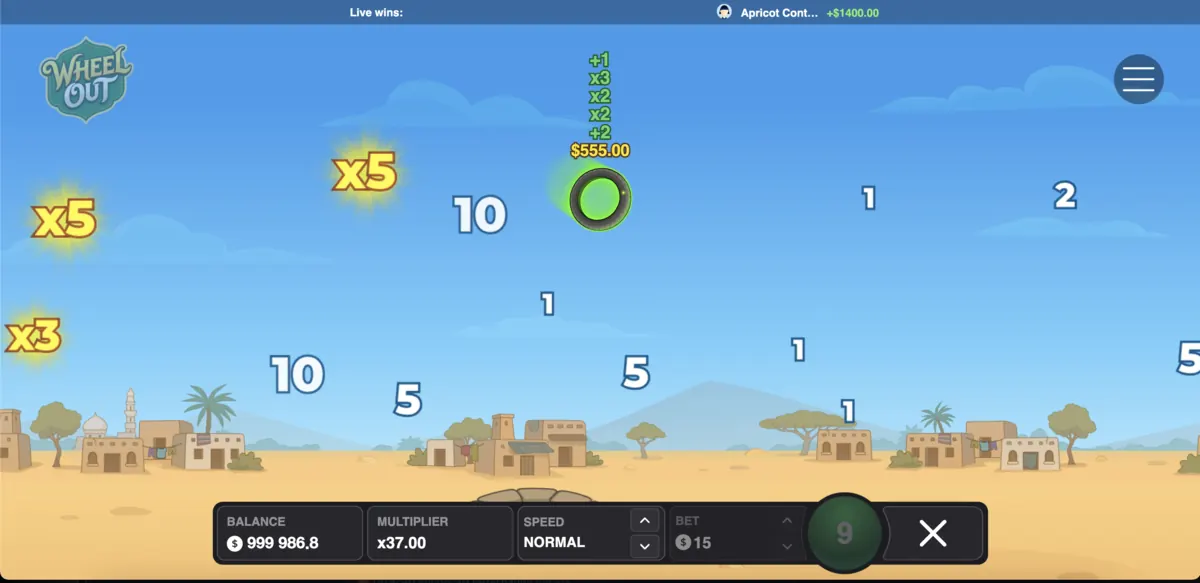
Wheel Out gameplay reference image

Set the session budget first

Choose a total entertainment amount before opening the game. Divide it into small stakes and stop when the limit is reached. A bigger stake does not improve RTP or make a rescue event more likely.

Treat autoplay as a risk multiplier

Autoplay can make the number of rounds harder to notice. If you use it, pair it with an external timer and a loss limit that is already decided.

Read the route, then wait

A high running total is still provisional. The result depends on the final landing, so do not treat an airborne number as money already won.

Use RTP correctly

The 96.5% RTP is a theoretical long-run figure. It does not describe the next round, a short session or a personal expected return.

Avoid unsupported systems

Ignore claims about guaranteed timing, secret sequences or fixed multiplier targets unless a primary source proves them. No such source was verified for this build.

Update history

  • August 1, 2026: improved wide-screen heading proportions and reduced unnecessary line wrapping.
  • July 24, 2026: checked provider facts, supplied rules, media names and internal routes.
  • July 23, 2026: separated verified game data from operator-controlled access, bonus and account claims.
Can strategy beat Wheel Out RTP?

No strategy can change the underlying RTP or guarantee a landing. Strategy here means budget, pacing and reading the route.

Should I use autoplay?

Use autoplay only with a strict time and loss limit because it compresses many rounds into a short period.

Is a high route total already a win?

No. The final landing still decides whether the round pays.

Do previous rounds predict the next one?

No. A short sequence of wins or losses does not predict the next result.

What is the safest stake size?

The safest stake is the smallest amount that keeps the whole session inside a pre-set entertainment budget.

Game evidence

Session policy and unsupported systems

Strategy as an operating policy

Wheel Out does not offer a supported method for predicting sand, pit or wall. The useful strategy is an operating policy written before the first stake: maximum session cost, session duration, allowed stake range and a clear stop rule.

A policy remains the same after a rescue, a near miss or a large displayed value. If the plan changes whenever the animation becomes exciting, it was not a boundary. Use an external timer and keep Auto Game off when the round count becomes difficult to notice.

Route literacy is not prediction

Following +5, ×3 or ÷2 helps explain what the screen is doing. It does not tell you the next object or landing. The home calculator exists to check ordered arithmetic only. It has no input for probability because no route probability table was verified.

Stake discipline

Choose the session amount first and the stake second. The $200 captured maximum is a technical boundary, not a suggested target. Raising the stake after a loss increases money exposed to the same published 96.5% RTP; it does not make recovery due.

A positive stop rule also matters. Continuing only because the session is currently ahead converts a finished entertainment budget into a new risk decision. Stop at the number chosen before play rather than negotiating with the latest result.

Systems to reject

Reject progression systems that require larger stakes after losses, claims that a ladder rescue becomes due, and advice that interprets a sequence of walls as evidence for sand. The supplied rules provide no basis for those claims. Borrowed money, hidden play and attempts to repair distress are stop signals, not strategy.

Wheel Out · 18+CHECK AVAILABILITY